A Hellacious Belle’s Guide to the New South: Ma’am Shaming

Yesterday, was my birthday.

Becoming a year older has brought to my attention, once again, that I have crossed the bridge of age, that arc of time connecting the bright and verdant shores of “Miss,” to the cracked, barren desert of “Ma’am.”

Because politeness is so important in the South, a formal direct address, based on age and status is dictated for every female. “Thank you, Miss;” or perhaps, “Excuse me, young lady;” are phrases every Southern girl hears growing up.

Then comes that wretched day for every woman, usually sometime in your thirties (or even forties, if you are genetically blessed.)  You fight against it as diligently and as long as possible: facials, exercise, dieting, bright colors, a sexy hairstyle, skillful cosmetics.

Regardless of how good you think you still look, whether or not “age is just a number,” without a heed to being married, single or even a mom.

It happens in one brief soul-searing, come-to-Jesus-with-your mirror moment and you are forever changed.

Of course, it’s typically from some young, handsome college boy.  You may have even lightly toyed with the idea of flirting with him.  He looks at you, radiant in his youth, correct in his upbringing, the flower of southern manhood.

“Yes, ma’am.” he smiles at you, proud to be properly polite to an older woman.

Oh, the agony. The humiliation. The shame. The loss of hope, joy, vitality.

You have been called out. It’s all over. Youth has fled. Embrace your inner crone.

You have been ma’am shamed. 

I am well in body, although completely rumpled up in spirit. Thank you, ma’am. — Lucy Maud Montgomery M

A Hellacious Belle’s Guide to the New South: Lightnin’ Bugs

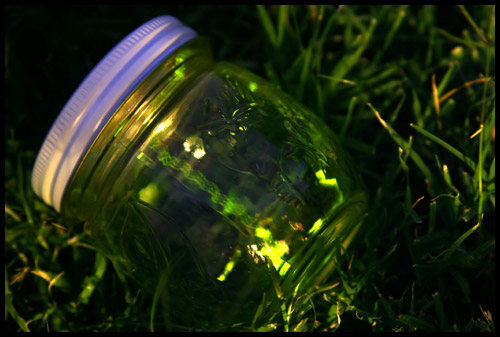
You might know them as fireflies.

They are the pixy dust dazzling the dreams of children.

Then in the darkness I heard the whir of tiny wings and suddenly a splendid yellow light streaked from my hand. Like a statue in the darkness I stood watching as our lightning bug’s flashes became lost among the soft, yellow callings of ten thousand other lightning bugs.

Jim Conrad, Walks with Red Dog

They bejewel the soft summer evenings with shimmers of magic.

Every Southern kid I know has caught them in jars and smuggled them into the house, hoping against hope that they’d turn into fairies overnight.

Sadly, they have most likely have woken to a jar of dead or dying bugs.

Or at least, I always did. Maybe I lacked the appropriate incantation.

Believe it or not, lightning bugs are actually a type of beetle, known as Lampyridae. The males spark a seductive message and a ready female responds with a return flash, signaling her desire to connect. Just as fascinating, each species has a different light pattern, a sort of Morse code, they use to keep their luminous message unique to their own kind.

And you’d want to be especially careful about dating the wrong type of bug, as some fireflies are cannibalistic. The female of that persuasion flashes out a little, “Hey boys, why don’t ‘cha come up and see me sometime,” aimed at fireflies of a different ilk and when the unsuspecting male comes a callin’, pants down and ready for love, she gobbles him up.

Humans, of course, are far more deadly to the tiny bugs, and not just because of the millions of children chasing after them once the sun goes down.

Along with toxic pesticides and urban sprawl encroaching their forests, fields and streams; light pollution from buildings and cars corrupts their delicate language of light, obstructing their ability to call to their mates to procreate.

Scientists fear that one day they will twinkle out of existence entirely.

Stealing away far too much of the magic of nature and our childhoods.

Here come real stars to fill the upper skies,
And here on earth come emulating flies,
That though they never equal stars in size,
(And they were never really stars at heart)
Achieve at times a very star-like start.
Only, of course, they can’t sustain the part.”
― Robert Frost, The Poetry of Robert Frost

L

A Hellacious Belle’s Guide to the New South: Kinfolks

“Who are her people?”

A totally legitimate question in the South, where who you are related to is almost as important as who you are.

100_1726

I’m kin to a big ol’ bunch of fruitcakes.

“Being Southern isn’t talking with an accent…or rocking on a porch while drinking sweet tea, or knowing how to tell a good story. It’s how you’re brought up — with Southerners, family (blood kin or not) is sacred; you respect others and are polite nearly to a fault; you always know your place but are fierce about your beliefs. And food along with college football — is darn near a religion.”
Jan Norris

K

A Hellacious Belle’s Guide to the New South: Come to Jesus

“Come to Jesus” is another one of those Southern phrases, like “Bless Your Heart,” that has meaning beyond the obvious.

And yes, while a Southern pastor might admonish his congregation to “Come to Jesus,” its typical use is far from the gift of the grace of the Lord.

“You and me got to have a little ‘come to Jesus.'”

It’s something akin to being “taken to the woodshed.”

You and me having a “Come to Jesus” means that you are pretty much neck deep in poo, as I am completely over a situation you are involved in, (and most likely you as well,) and I am going to fix it (and possibly you) in one fell swoop.

-4

A “Come to Jesus” is gonna call it on the carpet, call a spade a spade, and deal with it.

It will most likely clear the air and possibly right some wrongs.

Like as not, someone will be praying.

You just hope it isn’t you.

Bless your heart.

“We can’t help everyone, but everyone can help someone.
– Ronald Regan
J

A Hellacious Belle’s Guide to the New South: Idiomatic for the People

fighting computer issues so re-posting a favorite:

I never thought much of it until I moved away from Alabama and was surrounded by people from all over the world, but heck…

We Southerners can talk kinda funny.
-1

Not just the accent, since that’s normal for me, and I actually prefer it most of the time, because it sounds like “home.”   I’m talking about the phrases we say in everyday life, that make perfect sense to us, but might sound a little nutty to people who aren’t “from round these parts.”

I hauled together a few phrases, that in the interest of transparency, I will attest to have actually heard someone say out loud (at some point in my life.)  I’ll try to explain the best I can, although some of it’s not really translatable, so I’ll have to trust to your open-mindedness.

As I was most recently telling you about hushpuppies, let’s go ahead and start with the dogs:

“Let sleeping dogs lie.” – Leave it alone.

-1 copy 2

“That dog won’t hunt.” – This is not a valid concept.

“Don’t got a dog in that hunt.” – this is one I actually use quite a bit.  Note, you must improperly conjugate the infinitive.  No one cares about the dogs you have, just the one you don’t got.  Basically this means that you don’t have any stake in a particular situation and would prefer to be uninvolved.  “I’m sorry, but I don’t got a dog in that hunt.”

“Where my dawgs at?” – Said most frequently by good ol’ boys and University of Georgia grads.  “Pardon me, might you recently have seen any of my associates?”

“Who let the dawgs out?” – Again a reference to UGA – It’s chanted at football games, followed by  “Goooooo Dawgs! Sic’ em! Woof, Woof, Woof!”  This is a pledge of allegience bred so deeply into Georgia graduates that you will actually see grown women in ballgowns at charity functions “get down and get their dawg on” while in “polite company.”

“Barking up the wrong tree.” – totally going in the wrong direction or you have the wrong idea.

Additional animal-related sayings include:

“Go hog wild!” – Whoo, whoo!  Par – tay!!

Playin’ possum – feigning sleep.

-2“I ain’t seen you in a coon’s age!” – A very long time.

Off like a herd of turtles – getting off to a very slow start, moving slowly.

Full as a tick! – Stuffed full of food, couldn’t eat another bite.

“Duck fit.” – another one I use a lot.  “He’s havin’ a duck fit since I mocked him in my blog.”  Basically, a really serious “hissy fit.”

“Drunker n Cooter Brown with a skunk in his pocket.” Indicating extreme intoxication.  Cooter Brown is an infamous character in Southern legend, who supposedly lived right on the Mason-Dixon line during the Civil War. To avoid the draft on either side, Cooter decided to stay drunk throughout the entire war, making him ineligible for battle.  Most people just say, “Drunker n Cooter Brown,” but my Evil Twin, Doug, adds the “with a skunk in his pocket.”  I have absolutely no idea what that means, but it sounds good, so I say it too.

A few more random sayings for your education and amusement.

“He don’t know his as* from a hole in the ground.” – just not a bright fella.

“The porch light’s on, but no one’s home.” NASA is most likely not recruiting in his neighborhood.

“He lives so far up a dirt road that he thinks asphalt is something wrong with your butt.” – not necessarily a gentleman of worldliness and sophistication.

“My teeth are floatin’.”  “I must relieve myself, in the worst way. Please direct me to the facilities.”

“Sweatin’ like a whore in church.” – A situation of great discomfort.

“Don’t get’cher panties in a knot.” – Please don’t have a duck fit.

“Those pants are so tight I could see her religion.” – A fashion faux pas – typically an ill-judged instance of “camel toe.”

“Twenty pounds of sh*t in a five pound sack.”  Very tight, or tightly packed, frequently referring to snugly fitting clothes.

“Happier’n a tornado in a trailer park.” – exuberantly joyous.

“Fine as frog hair split three ways and sandpapered down the middle.”  This is one of my Daddy’s sayings. “I’m very well, thank you.  And you?”

“He doesn’t know whether to check his as* or scratch his watch.” – Great confusion. Someone uncertain of their situation.

-3

“Beaten senseless with an ugly stick.” Describing an unattractive person.  Can be further emphasized as “Beaten senseless with an ugly stick and left for dead,” or “He fell out of the ugly tree and hit every branch on the way down.”

“I brought you into this world and I can take you out of it.”  Things parents say to their children.

I could keep on going til the rains come, but with work n’ all, I’m busier n’ a cat coverin’ crap on a marble floor.

I’d best get on the stick and wrap this rascal up.

Tootle loo, y’all.

I

A Hellacious Belle’s Guide to the New South: Hush, Puppy!

hushpuppies

Hushpuppies, those golden globes of goodness, are high up on the fried-food chain in the Deep South.

A simple batter of cornmeal, flour, baking soda, onions, salt, eggs and buttermilk, dropped by the spoonful into a skillet filled with hot oil, they come out crispy on the outside, mealy soft on the inside and 100% delicious.

180px-BdThere are a lot of stories about how hush puppies got their name.

My Granny told me that in the days before air conditioning, when houses were built up off the ground with an open crawl space underneath so that the breezes could blow under and help cool the house, the family’s dogs would seek relief from the hot sun by burrowing into the soft, cool dirt under the house.

When the women of the house began cooking the evening meal, the dogs, smelling the food, would wake up; and hungry, start to bay and bark.

The women would fry up scoops of cornmeal batter and throw them over the porch rail (or through the cracks in the wood floors) with the admonishment of, “Hush, puppy!”

Other legends have Confederate soldiers throwing balls of fried dough to the scouting dogs of Union soldiers to keep them quiet so their location wouldn’t be revealed, but I prefer to imagine sleepy ol’ hound dogs howlin’ for hushpuppies in the soft swelter of early evening.

cute-wrinkled-bloodhound-face-photo

Of course, in skillets of Chefs of the New South, the humble hushpuppy is frequently duded out with chunks of tasso, crab meat or lobster, spiced with jalapenos or drizzled with honey.

I love them most the way my Granny made them.  Hot and greasy from the fryer, dunked in her homemade remoulade, sidled up to some fresh fried catfish.

“You can say a lot of bad things about Alabama, but you can’t say that Alabamans as a people are duly afraid of deep fryers.” 
― John Green, Looking for Alaska 

H

A Hellacious Belle’s Guide to the New South: Kiss My Grits!

Believe it or not, “Kiss my grits!” isn’t a Southern phrase, although I’m sure there were plenty of Southerners eager to claim it the first time it was heard.  Nope, it came straight from Hollywood, bellowed out of TV screens by a loud-mouthed Southern waitress named Flo, in the 70s sitcom, “Alice.”

Coarse_White_Grits_1324

Now, grits themselves are a true Southern tradition.

Grits are made from ground, alkali-treated corn called hominy.  Cooked low and slow with chicken broth, butter and heavy cream, seasoned with salt and cracked black pepper, they are somewhat like polenta, but more closely akin to heaven.

If you like, mix them up at breakfast time with your scrambled or over-easy eggs (I do); or for supper, stir in a white wine beurre blanc, and top with sauteed shrimp low-country style.  Add on some chunks of ham, roasted garlic, fresh scallion, lardons of bacon…

::sigh::That’s puttin’ some South in your mouth.

What you don’t put on grits?

Milk and sugar.

Silly Yankees.  Milk and sugar’s for oatmeal.  Or Cream of Wheat.

If you don’t like them done right, then just you never mind.

It leaves more for us.

“Grits are hot; they are abundant, and they will by-gosh stick to your ribs. Give your farmhands (that is, your children) cold cereal for breakfast and see how many rows they hoe. Make them a pot of grits and butter, and they’ll hoe till dinner and be glad to do it.”
― Janis OwensThe Cracker Kitchen: A Cookbook in Celebration of Cornbread-Fed, Down Home Family Stories and Cuisine
G

A Hellacious Belle’s Guide to the New South: Food, Family and Memories

I still crave my grandmother’s cooking, although she’s been gone now for more than 15 years.

My Granny

My Granny

She wasn’t a “chef,” or a fancy cook, but she prepared delicious, abundant meals and she poured her love for her family into every casserole and every slice of cornbread. I think because she and my granddaddy had lived through the Depression, when times were so hard and food was scarce, it was important for her afterwards to make a feast of every family meal.

Sunday dinner at my Granny’s was a momentous occasion. (And Sunday dinner means lunch, by the way.  In the old South, “supper” is the evening meal.)

She started cooking for Sunday on Saturday morning.

She always had two or three meats (ham, a beef roast, fried chicken, fried catfish or country-fried steak with white gravy) along with one or two types of potatoes (mashed with gravy/sweet potato casserole/potato salad), a vegetable medley casserole, macaroni and cheese, black-eyed peas, fried summer squash, fried sweet corn, green beans, slow cooked turnip greens with fatback, fresh sliced tomatoes in the Summer and fried green tomatoes in the Spring, and my all-time favorite, cornmeal–battered okra (the super crispy, slightly burned pieces are the best).

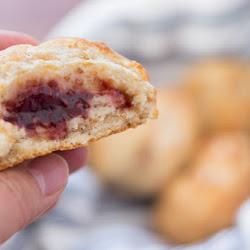
Hushpuppies, fresh-baked cornbread, yeast rolls and biscuits to sop up the gravy, or to slather with butter and her homemade plum jelly.  Coconut cake, banana pudding, pecan pie, strawberry shortcake and peach cobbler would satisfy your sweet tooth (should you have any energy left to open your mouth.)

I have dined at some of the finest restaurants in this country. I’d trade every one of those meals for one more chance to sit at her table.

Of course, she never sat at her own table. She bustled throughout the entire meal, filling up glasses with iced tea and water, fetching a fresh batch of biscuits from the oven, replenishing the chow-chow. After everyone else had stuffed themselves senseless, and the table was cleared, she might stop a moment for a small plate for herself.

She was always urging you to eat more. “But your plate is empty!” she’d wail.

Biscuits, butter and jelly

Biscuits, butter and jelly

Bulging eyes, tightening belts, groaning tummies and protests of being “full as a tick” had no impact: She’d just sniff and mourn that “you must not have liked it.”

Jewish grandmas got nothing on Southern grannies for food and guilt.

There are days when I yearn for for the food of my childhood.

Her food.

I’ll pick up squash and fresh tomatoes from the farmer’s market.  I even bake biscuits. I have the technology, recipes and equations that should make them taste the same, but they never do.

Southern food is au courant.  Farm-to-table is all the rage.  You can spend a fortune on something called “soul food” in trendy restaurants in New York, Chicago and L.A.

The true soul of Southern food isn’t just grits and greens, though; it’s the passion that goes into making them.

It’s the time and care in the cooking, the bond of the family at table; the joy of generations sharing stories and sustenance, passing down the memories along with the recipes.

It’s my Granny,  piling up my plate not just with food, but with her love.

“We believed in our grandmother’s cooking more fervently than we believed in God.” ― Jonathan Safran Foer

F

A Hellacious Belle’s Guide to the New South: Etiquette & Manners

-3It was tough growing up a Southern kid.  There were a lot of rules.

You had to address every adult as ma’am or sir.  Every time.  Even strangers.

If you just missed one little ma’am accidentally, or mumbled, or showed even the slightest bit of of surliness, the speed at which your mama’s hand smacked you upside your backside was dazzling.

When an adult entered the room, you stood up and stayed standing until the adult bid you to sit back down.

“Please,” and “thank you,” were the front and back of every sentence leaving your mouth.

You cleaned your plate at every meal.  Even if it meant eating something you hated.  Like boiled okra or Brussels sprouts. To not eat something was insulting to whomever had been kind enough to prepare that food for you.

You scampered ahead and held the door for anyone older than you and you lent a hand to anyone who was in need of help.

You said, “Excuse me,” if you needed to be excused.

You learned to treat people the way you yourself wanted to be treated.

iLW7znWiEUJo5pXKxqdjhwDHuN94JTnc-G1thpfcWnuTzaE0nMWKcK8GhJEY_mqf9CBwx9zlJN1OHvBo4H8bxRMZdxYVpfk-9t1xOoNsELWiYNNALyxdIaZ6Tjq4_g2e3z82ZrlQvGYYWDEPWfigZAiOdFWslVFqPqjJIEsqC3x7GZQ=s0-d-e1-ft
I most likely whined about it as a child, but as an adult, I have nothing but gratitude to my parents, grandparents, aunts and uncles and neighbors who cared enough about me to insist that I practice courtesy, to respect others and their property, to respond first with kindness, to act with grace and graciousness.
 “Manners are a sensitive awareness of the feelings of others. If you have that awareness, you have good manners, no matter what fork you use.”

Emily Post

A Hellacious Belle’s Guide to the New South: Daddy’s Girl

Yes, I am a Daddy’s girl. Since I am also a Southern girl, there is no shame in this at all.

Regardless that I am a forty-something adult woman, it is not only perfectly normal, but socially acceptable for me to still call him Daddy.  Not Dad, not Jim.

(In the South, btw, Daddy is actually pronounced \ˈdeh-dē\ or “deddy”) 

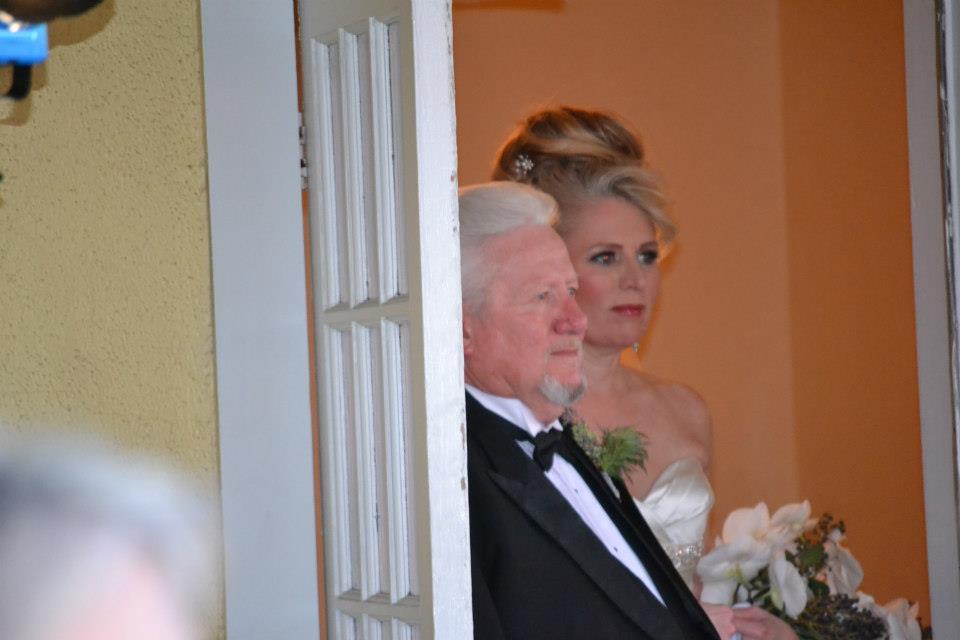
383614_10151224165692561_295008258_nThere is a special relationship between Southern girls and their fathers.

Southern mamas teach their daughters to be strong women; but their fathers teach them that they are invincible princesses with arcane superpowers who should be treated with monumental respect.

Daddies teach their girls that they are brilliant and beautiful, worthy of love and loving and can do anything they put their minds to: start a business, be an astronaut, be president of the United States, be happy and fulfilled.

8895_10151224165697561_1369087551_nMy Daddy didn’t raise me to believe that my goals in life were defined by my gender.  He taught me to be smart and quick and strong and give my best.  And if I worked hard and believed in myself and what I was doing, I could have or be anything I wanted.

He taught me integrity by daily example.

3893_10151224525612561_1448443929_n

He taught me to win without vanquishing others.

He taught me a love of learning.

224916_10151224165792561_1162369545_n-2

He taught me that if I ever borrowed anything, I should give it back better than I got it.  Don’t just fill up the gas tank, wash and wax the car.

He taught me to be a good friend and told me that was the most important thing I could be in life.

My Daddy is my hero. Now and always.

232323232fp;nu=3242>66->;-7>WSNRCG=35<5;84975339nu0mrj-1

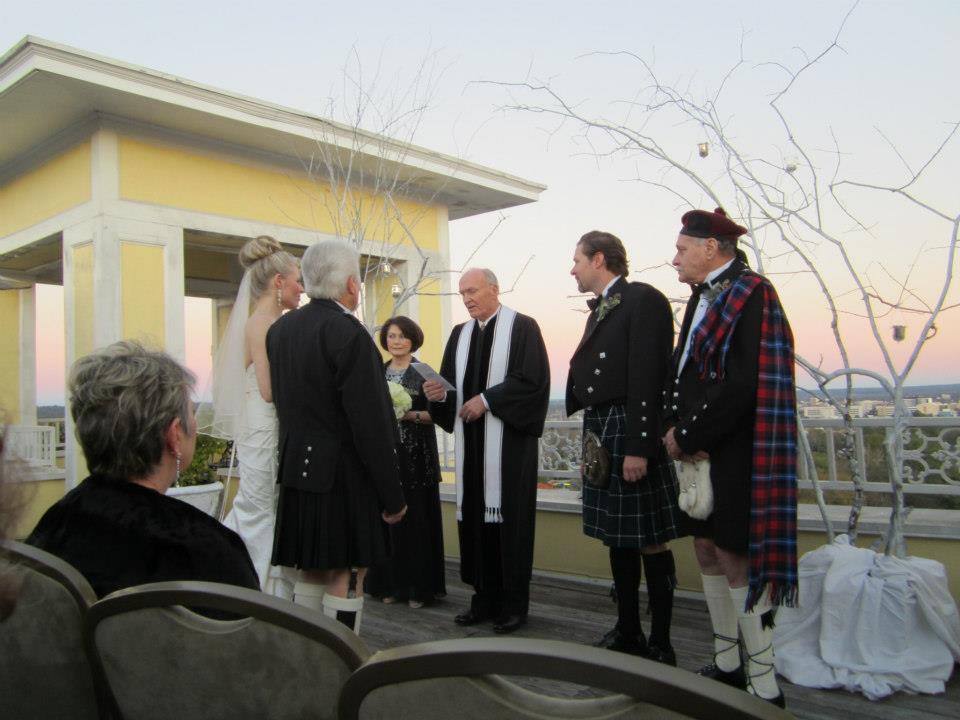
One of the (few) benefits of being older is that my father is now my friend.  My husband and I not only vacation with my parents, but we have dinner parties with them. We go to the beach together.  We enjoy their company.  We hang out.

We are good friends.

541674_10151224165902561_1342225598_n

I am eternally grateful for the strengths he gave me.  He not only taught me to believe in myself, but gave me a port in the storm and a shoulder to cry on for those times I didn’t.  He has always been there for me.

Me and my awesome Dad.

Me and my awesome Daddy.

I am proud to be a Daddy’s girl.  My Daddy’s girl.

We pick our battles and fight with the heart of a pit bull while still maintaining grace and elegance. Our mystique is that of a soft-spoken, mild-mannered southern belle who could direct an army, loves her mama and will always be daddy’s little girl.”

– Cameran Eubanks