
~My theme for this month’s Nano Poblano challenge is Motion~
So please sit down and let me pour you a cup of something warm, since it’s a little chilly this morning. We’ve got a great Sumatran dark roast, there’s green tea or chamomile and if you give me a sec, we can probably whip up some hot chocolate or spiced cider.
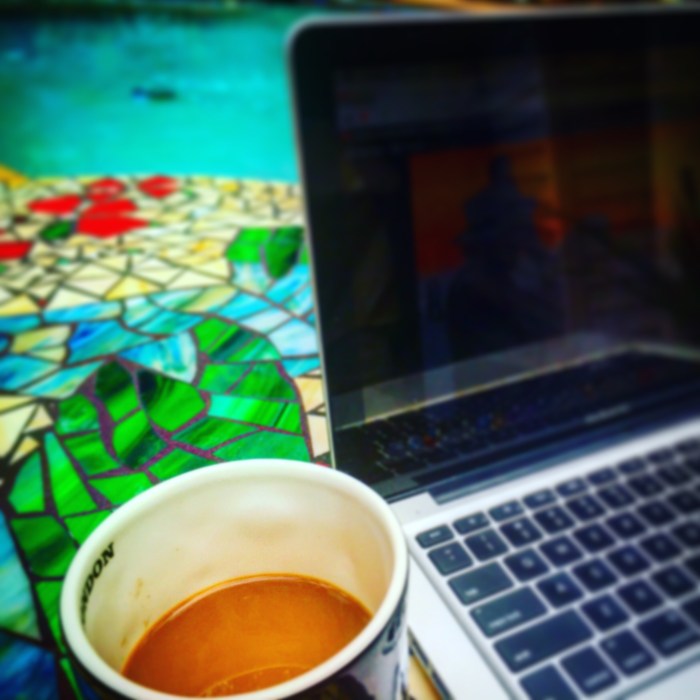
Ummm…spoke too soon. Ix-nay on the spiced cider-ay, and unfortunately, Pumpkin Lattes are a bit outside my skill set. There is some hot chocolate, though if you like.
I’m sorry it’s been so long since we’ve had coffee together. I do think about you, every Sunday, and wish I had a moment to invite you over to catch up, but it’s been crazy nuts in my world for some time now. I’m not complaining, mind you – it’s all good stuff. All things to be grateful for!
I am particularly grateful for our recent trip to Florida. OMG, I needed a break and beach time so much, as did my husband.
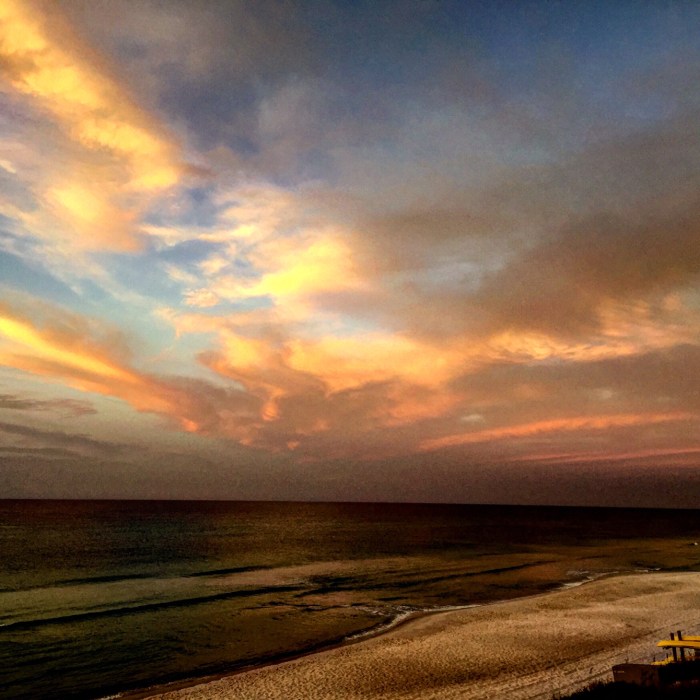
We spent eight amazing, relaxing days at Rosemary Beach, cooking, biking, sailing, soaking up sunrises and sunsets and just being happy.

I so did not want to go back to work on Tuesday! Don’t you hate it when you come back from vacation and immediately need a vacation from the consequences of vacation!
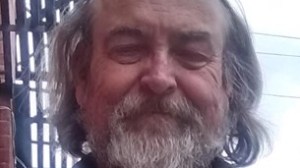
I did get new glasses (and contacts) this week. What do you think?
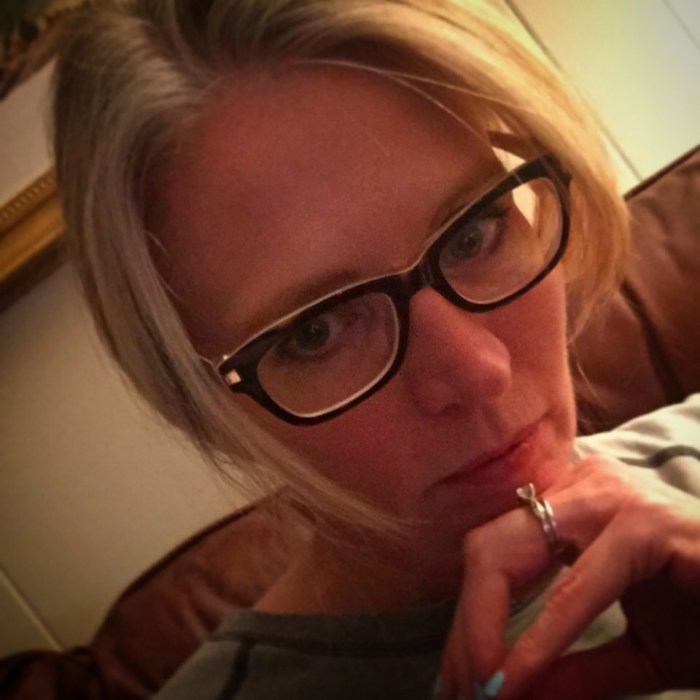
I am super thankful for good vision insurance, because the final bill came to more than I paid for my first car. Grrrrr. Well, at least I’ll be seeing clearly for a while.
Every little bit helps.
Would you like a little more coffee? I know it’s my third cup, but I’m enjoying it being Sunday and not worrying about agendas or too much caffeine being bad for me.
We’re down in Augusta this weekend, visiting my Mother-in-Law, Linda. We needed to get her pool covered for the winter and David had some work he wanted to do in the yard.
We had time to take the canoe out on the lake yesterday for a while after we finished with the yard.
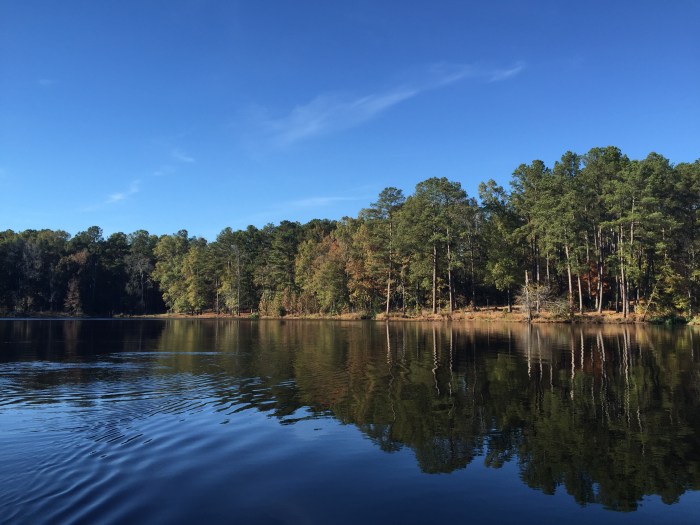
Such a gorgeous day. And a pretty lake, although it’s a little snakey around the edges.
Today, we’re headed back to Atlanta. ::sigh::I’ve got a full plate for next week with two giant events at work – the kind I will have to come in early and stay very late for, the monthly luncheon for my professional women’s organization is on Wednesday; plus I’ve to take my car in for a diagnostic check (damn engine light keeps coming on!) and next weekend I’m hosting our quarterly book club meeting at the house. Our book is The Widow, which I haven’t read yet, but plan to on our drive back home this afternoon. Oh, and I need to figure out a menu for that and do some paperwork for my Scottish heritage group and laundry and shopping…it never stops, does it?
So what have you been up to? Are you taking part in NaBloPoMo or Nano Poblano? I’m doing both, even though I’m sure I’ll be taking liberties with photo posts and quick check ins…I mostly love Nano Poblano so much for the community here and I always roll out of a November of daily posting with the honorable intentions of posting more and reading more and commenting more because I love that feeling of connectivity and family…and then life jumps in and scatters me every which way and I fade away until April, when I try A-to-Z (and typically stumble and fall out half way…)
Maybe this year. One of the changes I’m hoping for is to have a little more control of my day and my schedule.
Aw, anyhow I hate that you have to go – I know I chattered your ears off. And that’s what coffee does to me.
Let me grab your sweater for you and let’s promise to catch up again next Sunday, okay?
I hope you have an amazing week!
And thanks to Miss Emily’s Home for Full Grown Nerds for turning me on to Diane at Part-Time Monster’s #weekendcoffeeshare. Please stop by her page to enjoy coffee and time with the rest of the crew!










 Drunk on Life